As our projects became bigger and more people became involved, I found myself spending more time maintaining spreadsheets than managing the work. That was the clearest sign that the process needed to change.
I'll admit it. For a long time, I thought spreadsheets were the answer to everything.
Need to track a project? Spreadsheet. Need a to-do list? Spreadsheet. Need to know who's doing what? You guessed it... another spreadsheet. And don't get me wrong—they worked. Until they didn't.
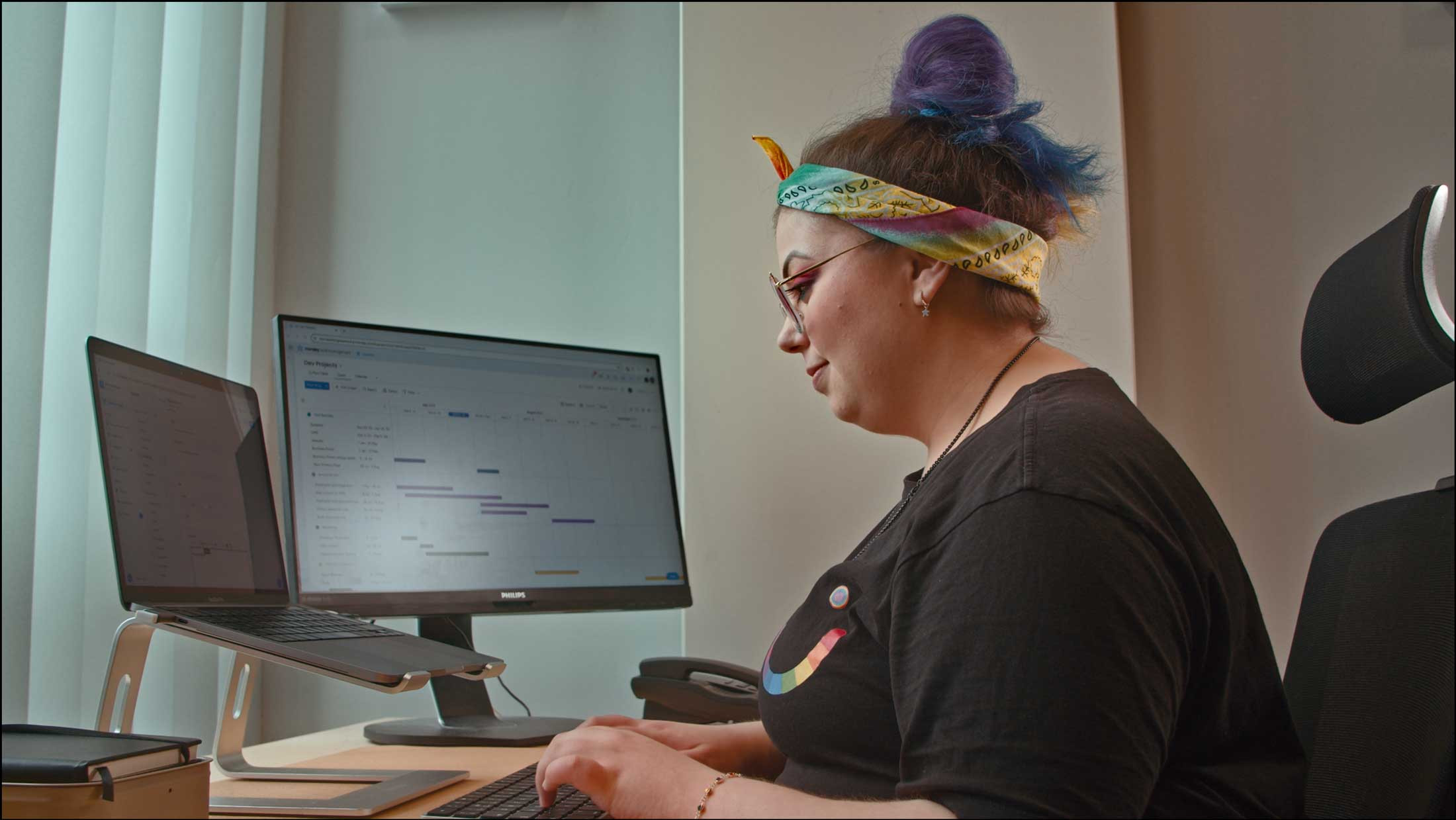
As projects became bigger and more people got involved, I found myself spending more time keeping track of the work than actually helping move it forward. I'd have Teams messages open on one screen, emails on another, a notebook next to me, and three different spreadsheets that all claimed to be the latest version.
Sound familiar?
It Wasn't a Productivity Problem
Looking back, I realised the issue wasn't that people weren't getting things done. The problem was that nobody could see the bigger picture. Someone would ask, "Where are we up to with that project?", and suddenly I'd become a human search engine, piecing together updates from conversations, emails and my own memory. It wasn't sustainable.
I Stopped Looking for the Perfect Tool
At first, I made the mistake I think a lot of people make. I started researching software, comparing features, watching YouTube reviews, reading articles...
But I quickly realised I was asking the wrong question. It wasn't "Which project management tool should I use?", it was "How do I actually want my team to work?". Once I answered that, choosing a tool became much easier.
Start with Your Workflow
Before I created a single project, I grabbed a whiteboard. I wrote down every stage a typical piece of work goes through.
From the initial enquiry, to planning, to delivery, to sign-off. Nothing fancy, just the reality of how we worked. That exercise alone highlighted a few bottlenecks we'd all just accepted as "the way things are."
The Biggest Win Wasn't Organisation
Everyone talks about keeping organised and for me, that wasn't the biggest benefit. It was the security and confidence of no longer having to guess where a project was up to. I didn't need to interrupt someone to ask for an update, I could see it and so could everyone else.
That simple shift changed the conversations we were having. Instead of asking for progress updates, we started talking about solutions, priorities and what needed to happen next.
You Don't Need the Perfect Setup
One thing I've learnt is that your first workflow probably won't be your final workflow. Ours certainly wasn't.
We've tweaked boards, changed processes, removed things that didn't add value and added things that did. That's completely normal. Your project management system should evolve with your team, not stay frozen because you're worried about changing it.
My advice?
Keep it simple.
Don't build a workflow with twenty different stages because you can. Don't overcomplicate your projects with fields nobody will ever fill in and don't expect a new tool to magically fix broken processes.
Start with how your team works, build something people will actually use then improve it as you go. At the end of the day, project management isn't about moving tickets around a board, it's about making work easier to understand, easier to manage and easier to deliver.